



Vibrations, Shakes, and Shimmies: Why Your Car Feels Off
02 Jul 2026

If your car feels like it’s vibrating or shaking more than usual while you’re driving, it’s a sign that something isn’t quite right. If you’re feeling vibrations when driving, it could indicate a safety or maintenance issue, so it’s important to get it checked for any signs of damage. Luckily, not all shaking is a sign of disaster, but it should never be ignored.
So, how do you differentiate between a harmless vibration and suspicious shaking? We’ll guide you through what different vibrations mean and when you should seek professional help in the following guide. Let’s get started.
Where do you feel your car shaking?
You could feel vibrations in different areas of your car, and at different times of driving, too. But what do they mean, and are they all cause for concern? We’ll break down common shakes and vibrations, what causes them and whether you need to get it checked out.
Shaking at idle
If your car vibrates while it’s parked or stopped at a red light, the issue is usually under the bonnet.
What the driver feels: You might feel a rough or uneven shake when your engine is running, but the car isn’t moving.
Typical causes: Engine misfires, worn spark plugs, dirty fuel injectors, or failing engine mounts.
How urgent is it?: Moderate. If your car shakes when it’s idle, it won’t necessarily prevent you from driving. However, if you ignore the shaking, it can lead to bigger problems with the engine.
Shaking while accelerating
If you experience vibrations when you press the accelerator, it usually means components are struggling to transfer power to the wheels.
What the driver feels: A shudder or hesitation when your car speeds up.
Typical causes: Worn CV joints, driveshaft issues, drivetrain components, engine misfires, or fuel delivery problems.
How urgent is it: Medium to high. You should have your car checked by a professional to prevent further damage, especially if the shaking gets worse quickly.
Shaking at speed
If your car feels smooth to drive at low speeds but you notice some shaking at 55–70 mph (88.5-113 km/h), the wheels and tyres are usually the issue.
What the driver feels: Rhythmic vibrations that increase with speed.
Typical causes: Unbalanced tyres, bent wheels, or uneven tyre wear.
How urgent is it: Low to medium. Extended driving can accelerate tyre and suspension wear, making the issue worse.
Steering wheel vibration
When the steering wheel shakes while you are driving, your hands are getting direct feedback from the front end of your car.
What the driver feels: Your steering wheel might wobble or shimmy, especially when you are driving at higher speeds.
Typical causes: Wheel alignment issues, worn suspension parts, or brake rotor problems.
How urgent is it: Medium. Steering issues can impact your control over the vehicle and should be checked by a professional soon.
Vibrations under braking
If your vehicle shakes when you slow down, it is usually a sign that your braking system needs attention.
What the driver feels: You might feel a pulsing or shaking sensation through your steering wheel or brake pedal.
Typical causes: Warped brake rotors or uneven brake pad wear.
How urgent is it: High. Vibrations when braking can reduce your stopping power and compromise the safety of everyone in the vehicle.
If you’re able to pinpoint where the vibration is coming from and when it is happening while you drive, this can help your mechanic diagnose the problem more quickly. If any of the vibrations are new, sudden, escalate and get worse, or impact your steering or braking, you should pull over and contact a mechanic.

Common causes of car vibrations explained
There are multiple reasons why your car may be making strange vibrations or shakes. These are often related to tyres, engine issues, suspension problems or the braking system. Here are some common causes of car vibrations, shakes and shimmies that can make your car feel unusual to drive.
Tyres & wheels
If tyres and wheels are imbalanced or misaligned, you may find your steering wheel shakes when you are driving at high speeds. This can be caused by bent wheels, worn tyres or inconsistent pressure leading to flat spots.
Engine & mounts
As the rubber components within engine mounts wear over time, they become less effective at absorbing vibration, allowing more engine vibration to be felt inside the car. Alternatively, worn spark plugs or fuel system issues can make it difficult for the combustion system to remain smooth, leading to rocking motions caused by misfires.
Drivetrain & suspension
Worn CV joints, axles or misaligned driveshafts can lead to unnatural movements in the steering wheel, seats or floor. Additionally, worn wheel bearings can make a humming sound and vibrate if the wheel can’t spin easily, while damaged bushings and struts can’t stabilise the vehicle, so the wheels may bounce.
Braking system
If your brake rotors are warped or have worn unevenly, it can make it difficult for brake pads to grip properly, as the surface is uneven. This can cause a shuddering sensation in the brake pedal or steering wheel. Equally, if your brake pads are worn or uneven, they can’t apply pressure evenly, which can cause shuddering when you apply the brakes.

DIY checks you can do at home
If you have heard some mild vibrations or shuddering when driving your car, there are some simple checks you can do at home to try to identify the problem before consulting with a mechanic.
- Look at tyre tread & tyre pressure: Your tread depth should be around 1.6mm to meet safe legal requirements, though this varies by country. If it is lower or uneven in places, you may need new tyres. Additionally, if your tyres are unevenly worn and not inflated properly, this can cause uneven wear and lead to shuddering at high speeds if the tyre pressure is too low.
- Check for loose lug nuts: Lug nuts are used to secure the wheel in place on its axle hub. When your vehicle is parked securely, visually inspect that all wheel nuts appear present and secure. If you suspect a loose wheel, do not drive the vehicle and seek professional help.
- Listen for unusual sounds: When you first start your car engine, listen for any strange shaking or vibration sounds. You should also pay particular attention when you accelerate and brake to see if you can hear any new sounds that are unusual or suspicious.
- Feel where the shaking is strongest: When your car is idle, sit in different seats to see if the vibrations feel stronger in a particular place in the car. If you have someone who can help, you can also take a passenger out for a drive and pull over to allow them to transfer to different seats and assess where the shaking is strongest.
When assessing your car at home to identify the source of the shaking, you should avoid lifting your car without any proper support. You should also never ignore the ‘check engine’ light, as this could indicate severe damage that needs addressing immediately.
Maintenance tips to prevent shakes
While it’s not possible to avoid every potential vibration or incident of your car shaking, there are some regular maintenance checks you can do to keep your car operating as smoothly as possible. This includes:
✔ Regular wheel alignment: Wheel alignment should be checked to ensure proper handling, safety, and tyre longevity. This should be done after installing new tyres, hitting a pot hole or curb or if you can feel your steering pulling to one side.
✔ Tyre rotation schedules: Front and rear tyres perform different tasks, so you should rotate them every 6 months to ensure even wear across all 4 tyres. This maximises your tyre life and reduces the risk of uneven wear, which can cause vibrations.
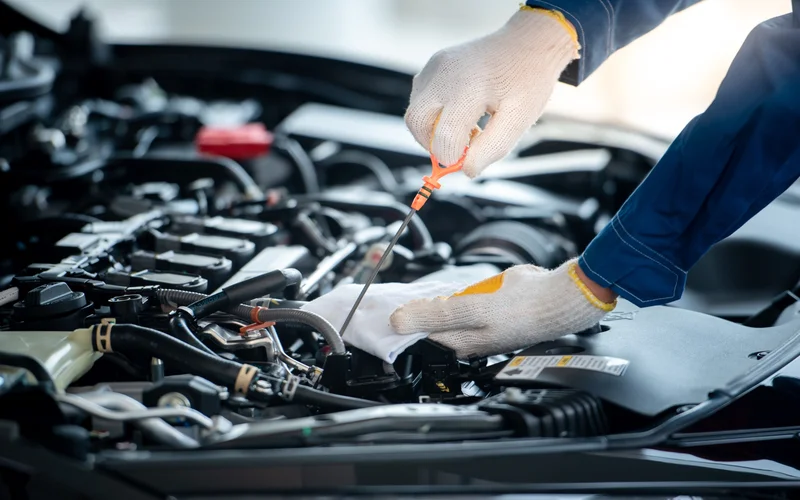
✔ Using the right engine oil: Your owner's manual will indicate what oil you need to use for your car. Using the right engine oil keeps your engine in optimal working condition and minimises internal engine friction.
✔ Routine servicing: Routine servicing can identify issues early before they begin to cause larger problems. This can help you to find mechanical or tyre problems that can lead to vibrations or shaking at high speeds.
It is worth carrying out regular maintenance at the following intervals, whichever comes first:
- Every 6-12 months
- Every 6,000–8,000 miles (9,656-12,875 km)
- At every oil change
- At the beginning/end of a season
When to see a professional
If you notice any vibrations when braking, shaking begins suddenly, or vibrations are accompanied by an engine warning light, you should visit a mechanic immediately.
Not all vibrations require immediate attention, and you may be able to monitor new shaking for a while before seeking help, depending on where it is coming from or how severe it is. Complete simple testing and maintenance checks yourself if you feel able, and contact a mechanic if the problem persists.
Discover more easy maintenance tips to improve your car’s performance.