



Myths vs. Facts in Engine Oil
02 Apr 2026
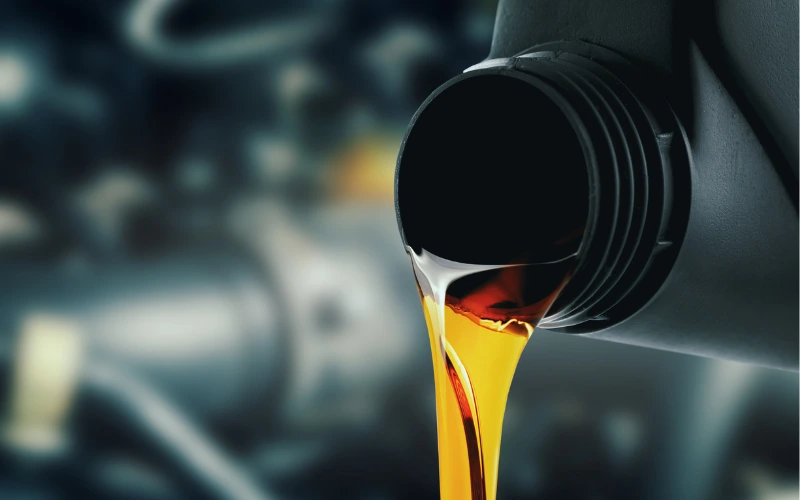
With so much advice surrounding engine oil, it can be difficult to separate myths from facts. Here are some examples:
- You should change your engine oil every 3,000 miles,
- Black oil indicates a huge failure
- Thicker oil means better protection
You might have heard these statements and recommendations before, but the question is, are they myth or fact?
Some recommendations about engine oil stem from outdated technology, legacy practices and product misunderstanding, which can lead to you switching oils or changing your oil more often than necessary, or not often enough.
In this article, we’re going to separate the myths from the facts so you can make informed decisions about your oil choices to maintain your engine’s health.
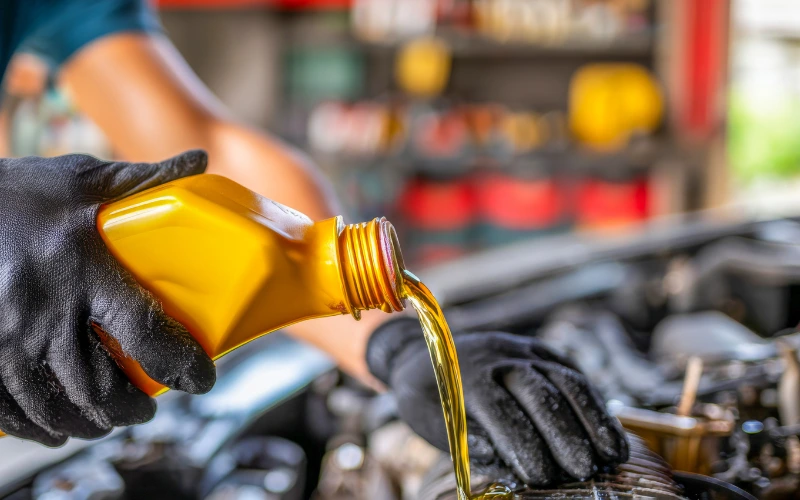
Debunking engine oil myths and giving you the facts
Engine oil has been around since the late 19th century, and while its primary use hasn’t changed, vehicles have, so the oil has had to adapt to support modern engines. These include technological advancements, new stringent policies to formulate lubricants compatible with advanced aftertreatment devices to help with the environment, longer drain intervals and fuel economy requirements.
Over the years, advice has evolved, so what was once maybe sound advice has now become a myth, and there are new guidelines you should follow. To help you determine what you should follow and what you can disregard as fiction, we’ve outlined some common myths around engine oil and facts and modern advice you should follow instead.
| Engine Oil Myths | Engine Oil Facts |
|---|---|
| You must change your oil every 3,000 miles (or 5,000 km). | Many modern engines and oils extend oil change intervals, but oil change intervals can vary depending on the age of your vehicle, driving style, road conditions and heavy loads. You should always follow your manufacturer’s recommendations and check oil frequently. |
| If your engine oil has turned black, it must be replaced immediately because it is contaminated. | Black oil often means that the oil is doing its job by clearing soot and contaminants from the engine. For this reason, the colour alone is not a reliable indication of the oil’s condition. However, if it is thick, sludgy or gritty, this is a good indicator it needs to be changed. |
| Once you switch to synthetic oil, switching back to conventional oil will harm the engine. | It's fine to switch between full synthetic and mineral oil, but you should always follow your manufacturer's recommendations and get a mechanic to do a full oil change. |
| Using synthetic oil can lead to engine leaks because it’s ‘thinner’. | Synthetic oil does not cause leaks simply because it is thinner. In fact, modern engines are designed to use thinner, synthetic oils that flow quickly through very small engine passages to ensure rapid lubrication and protection. |
| Thicker oil means better protection for all engines. | This is only true in hotter climates to maintain effective lubrication. Thinner oil is better for cooler climates as it flows better at lower temperatures. This is why the correct viscosity is important for your specific climate. |
| You don’t need to change your engine oil if you hardly drive your car. | Time and conditions (like moisture and short trips) still degrade oil. Low-use cars still need oil changes. |
| All engine oil additives are the same and the more additives there are the better it is. | Additives serve different functions and must be balanced. If the wrong additives are used, it can impact the chemistry of the oil and interfere with vehicle performance. |
It goes without saying that before you make any decisions regarding your engine oil, you should always consult your vehicle’s owner manual first. What works for one car might not be best practice for another, and operating conditions such as mileage, driving conditions, climate and the age of the car can all influence the type of oil and the frequency of changes that will be best for your vehicle. Why this matters for you (and your engine)
If you still follow dated advice or myths surrounding your engine oil choice, you risk your engine having sub-optimal protection, which can lead to potential risks to the engine or warranty. Additionally, using the wrong oil can result in wasted costs paying for an oil change, a replacement oil and any possible damage that has incurred from using the wrong oil.
Our advice regarding the right engine oil and change intervals for your vehicle would always be to consult your owner’s manual and follow your manufacturer’s recommendations. Before your next oil change, you should check:
- Oil grade viscosity and specifications
- Filter conditions to change them at the correct intervals
- Your chosen oil meets OEM approvals
- Driving conditions (city/stop-start vs highway driving) to ensure your chosen oil is suitable
- Time since your last oil change
- Milage
- Oil levels
By following this checklist, you can avoid using the wrong oil, voiding your manufacturer’s warranty and causing costly engine damage from using the wrong product.

Follow the facts for engine performance and longevity
There is a lot of advice about engine oil, but not all of it is true, so following modern resources and your vehicle manufacturer’s recommendations is key. Supporting motorists since the early 1900s, we have a deep understanding of what makes an excellent motor oil. Our portfolio of automotive engine oils utilises modern additive technology to keep your engine in top working condition, as well as a range of viscosity grades to suit different climates, operating conditions and OEM specifications.
Using the correct engine oil can save you money in the long run, accurately protect your vehicle and ensure performance and longevity. By using high-quality base oils, our engine oils meet international specifications and are extremely reliable, becoming an essential part of your journey.
Explore our car, motorcycle and commercial engine oils and discover our high-quality lubricants designed to support your engine, even in challenging operating environments.
Frequently asked questions about engine oil
Can I just top up oil instead of doing a full oil change?
Topping up is fine between oil changes, but it is not a substitute once you’ve reached the recommended oil and filter change intervals. Old oil loses its lubricating properties, so oil changes are essential for ensuring your engine is properly protected.
If I mostly drive short trips in the city, does that affect oil life?
Yes, short city driving can shorten oil life because the engine never meets its optimal operating temperature. This can lead to moisture buildup and contaminants, which are never properly burnt off.
What oil is used in modern engines?
Modern engines operate at higher temperatures, and turbochargers increase the operating temperature and pressure even further, so they need more robust oil formulations. With more sophisticated engines and ever-evolving technology, modern engines require modern solutions which is why full synthetic oil or synthetic blend is often the best choice.
However, you should always consult your owner’s manual for specific viscosity and specifications.
How do I know when it's time for an oil change?
You should check your engine oil at least once a month with a dipstick to see if it needs topping up. However, if you notice the oil is dirty, gritty or sludgy, it may be time for an oil change. Other signs include dashboard warning lights, unusual engine noises, smoke from the exhaust or a burning oil smell.
Why does engine oil matter?
Engine oil is essential for lubricating your engine’s moving parts to prevent friction as well as keeping the engine cool, clean and protecting components from wear. Without it, your engine can overheat, seize, or components can wear prematurely, leading to expensive repairs.